


THE POWER OF SELENIUM FOR YOUR LIVESTOCK
Courtesy Elanco Your sheep and cattle need a range of essential trace minerals to support their health, fertility and performance. One of…
Nationwide shipping! Now with Express shipping option as well. Click here for details.

 Wet vs dry vs mixed feeding: what is best for your cat?
 Feeding working dogs vs companion dogs: what is the difference?
 Why your dog always seems hungry (and what to do about it)
 What to look for in a quality dog food (without overcomplicating it)
 How to create a comfortable indoor setup for your cat Wet vs dry vs mixed feeding: what is best for your cat? Feeding working dogs vs companion dogs: what is the difference? Why your dog always seems hungry (and what to do about it) What to look for in a quality dog food (without overcomplicating it) How to create a comfortable indoor setup for your cat
There are large opportunities to substantially improve the management of northern Australian beef enterprises.1,2 Zoetis are supporting a practical path towards optimal herd performance through improved reproductive performance by focusing on:
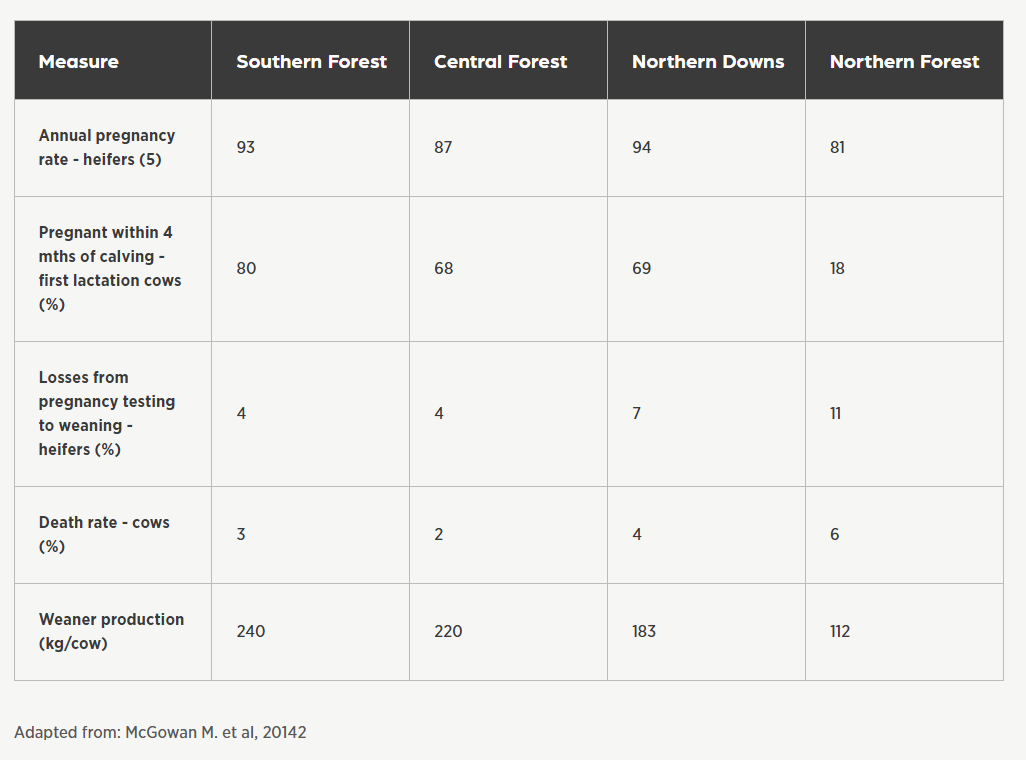
CashCow was a three year, independent project investigating the fertility of 78,256 beef breeders from 75 selected commercial enterprises across northern Australia from June 2007 to July 2012.1 The project showed that herd performance can be simply measured and quantified against realistic benchmarks as shown below.
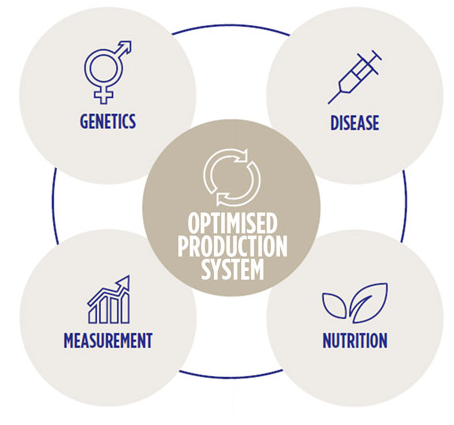
There are existing opportunities to better control key production-limiting diseases and boost the rate of genetic gain in your beef herd. The key areas that should be addressed to successfully manage your herd are:
Great range - quick and secure delivery
Buy securely online and pickup at your local store
Call your local store and come on down to pickup